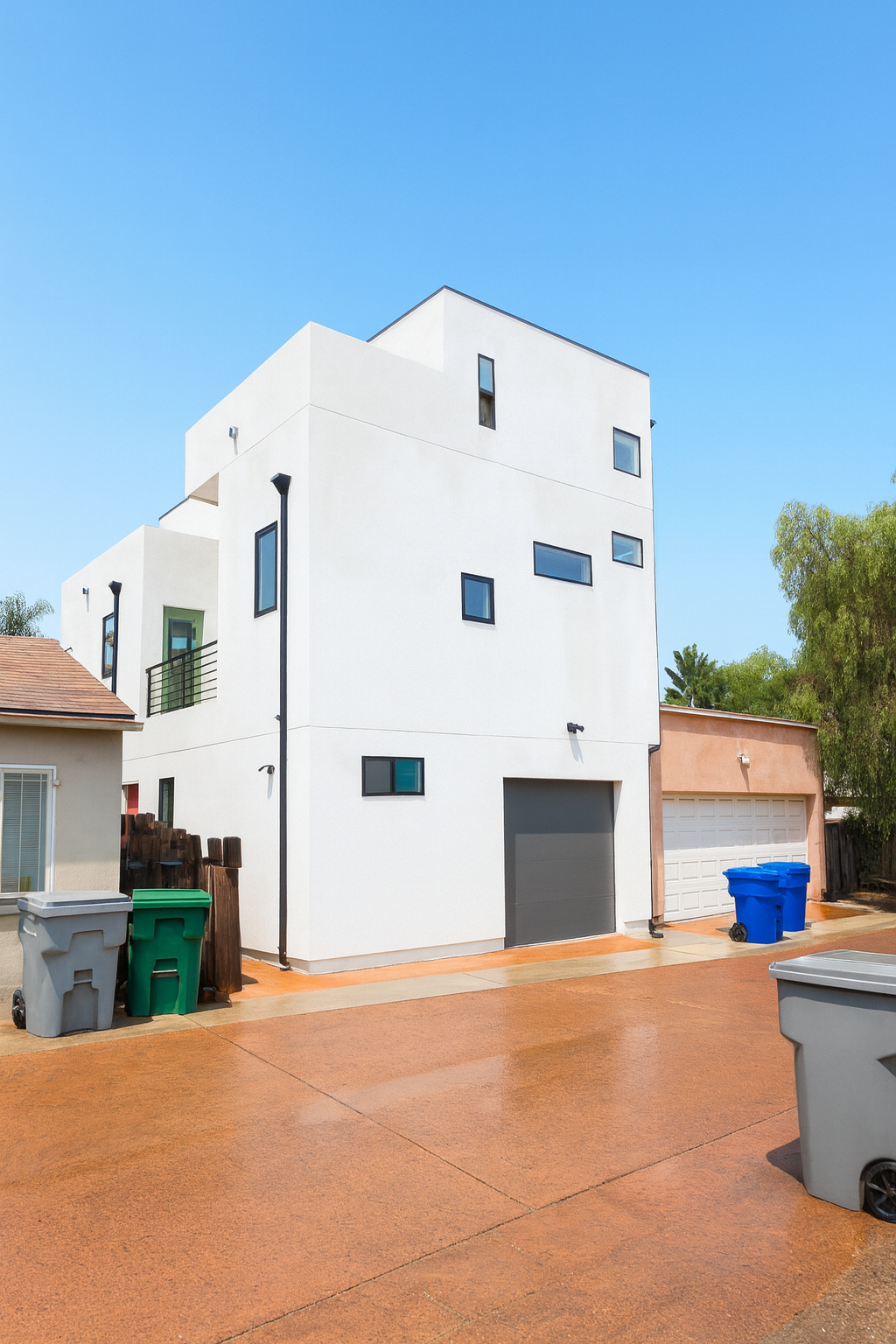
When families outgrow their homes in a highly competitive, low-inventory real estate market like San Diego, the dilemma is always the same: Do we brave the brutal housing market to buy an upgraded house, or do we expand where we are?
The Raw Equity Math
Building a high-end master suite addition (typically including a spacious bedroom, a luxury ensuite bathroom, and walk-in closets) involves significant upfront capital. However, it also introduces immediately realized equity. With average price-per-square-foot in coastal and premium inland San Diego zip codes hovering between $600 to $1,000+, adding 400 square feet to the footprint of your home can instantly inject massive valuation bumps into your property's appraisal.
Historically, upscale master suite additions recoup upwards of 55-65% of their construction costs at resale—a figure that often scales higher in hyper-desirable California coastal markets.
The Hidden Cost Avoidance
To calculate true ROI, you must weigh the addition against the cost of moving. Selling a home typically involves losing 5-6% of your home's total value to real estate agent commissions, plus thousands in closing costs, moving fees, and the friction of higher interest rates if you are giving up a legacy sub-4% mortgage.
By investing that $100,000+ directly into a master suite addition instead of transaction friction, that money becomes tangible, luxurious, usable space that permanently enhances your daily lifestyle without sacrificing your current favorable mortgage terms.
Permitting an Addition vs an ADU
It is important to note that adding square footage to a primary residence triggers standard local zoning setbacks, floor-area-ratio (FAR) limits, and potentially neighbor notification requirements. Unlike ADUs, which enjoy intense state-level streamlining, standard room additions are bound to traditional city planning guidelines. Working with a deeply entrenched local design-build firm like CRS Builders ensures you navigate these zoning laws without costly delays.