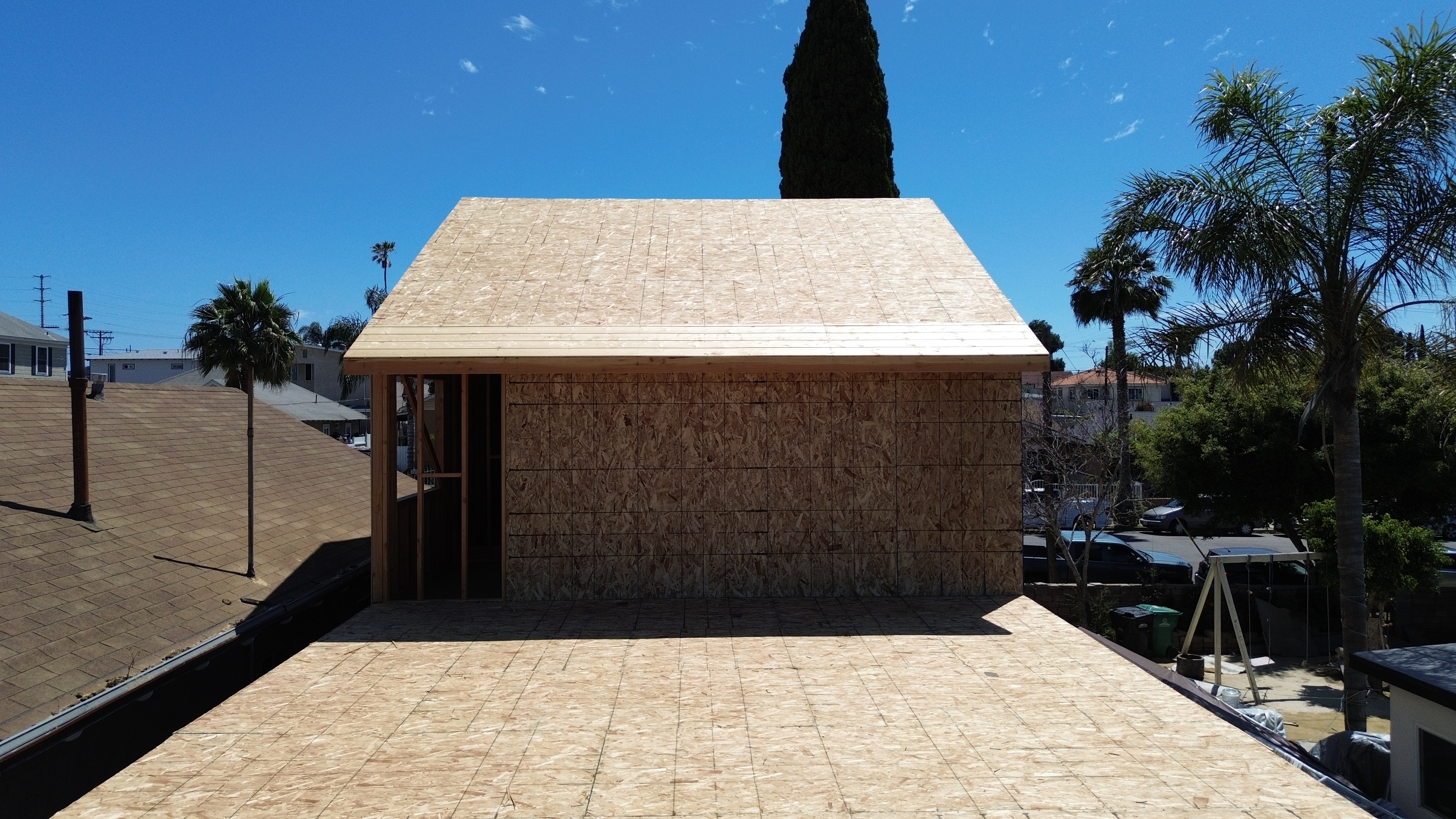
Building an Accessory Dwelling Unit (ADU) in San Diego has never been easier, thanks to ongoing state and local legislative pushes. However, keeping up with the annual changes can feel overwhelming. Let's break down exactly what the 2025/2026 permit iterations mean for your next build.
The 60-Day "Shot Clock" & AB 2221
One of the most significant advantages for homeowners right now is the strict enforcement of the state-mandated 60-day approval timeline. Under recent provisions strengthened by Assembly Bill 2221, local agencies like the City of San Diego Development Services Department are legally required to approve or deny your ADU permit within 60 days of receiving a completed application.
If the city fails to act within this window, the permit is deemed almost automatically approved. This streamlined process prevents your project from languishing in bureaucratic limbo for months on end.
Navigating Fire Safety and Setbacks
While the state allows for minimal 4-foot rear and side setbacks for standard ADUs, things get slightly more complex in San Diego’s High or Very High Fire Hazard Severity Zones. If your property falls into these zones (common in inland and canyon-adjacent areas), fire code officials may mandate enhanced defensible space requirements or upgraded fire-rated materials for exterior walls facing property lines.
At CRS Builders, our architectural team pre-emptively designs your floor plans to clear these specific local fire safety hurdles before they ever hit the reviewer's desk.
Coastal Overlay Zone Permitting
If you live in coastal communities like La Jolla, Del Mar, or Carlsbad, a separate layer of regulation applies. While state ADU laws override much of local zoning, properties within the Coastal Zone still must adhere to California Coastal Commission mandates. This typically adds a secondary layer of review to ensure the build doesn't disrupt coastal access or sensitive environmental habits.
Conclusion
The regulatory runway in San Diego has been paved to encourage rapid ADU development, but local geographic nuances require an experienced builder. Navigating these rules successfully means you can move from architectural draft to breaking ground faster than ever before.